Built for the body that just built a human.
About 60% of women still have diastasis recti a year after giving birth — and most are never screened for it. Standard ab workouts can make it worse.
Journal of Women's Health Physical Therapy, 2019
A 4-week small-group cohort led by a Doctor of Physical Therapy. Getting back to strength is not about "bouncing back" — it is about rebuilding on a foundation that respects what your body just did.
Start the journey to feeling like yourself again — just 6 spots.
Is this you?
You want to feel strong again. You also want someone to actually understand what your body needs right now.
However far postpartum you are — six weeks or several years — if your doctor has cleared you to exercise, this is for you. The workouts you used to love feel wrong now, and you cannot explain why.
You want strength back, but you are nursing, sleep-deprived, and you do not have time to drive somewhere that will not let you bring your kid.
You tried a mom-and-baby class but it was mostly stretching. You are ready for real training — you just need someone who knows where to start.
What happens when postpartum recovery gets skipped.
These are not worst-case stories. They are what quietly happens when strong women get told to "just listen to your body" without anyone teaching them how.
Diastasis that does not close on its own
Untreated abdominal separation can persist for decades. The coning and doming during a plank is a signal, not a phase — and standard crunches can widen it.
Pelvic floor dysfunction treated as normal
Leaking when you run, jump, or cough is common — but it is not "just part of being a mom." It is a trainable, treatable issue that responds to the right programming.
The slow drift of giving up on yourself
One missed workout becomes six months off. The pre-kid version of you feels further away every year. That is not laziness — it is what happens when nothing on the schedule is actually built for your reality.
Injury from going back to old workouts too fast
The body at 9 weeks postpartum is not the body at 9 months pre-pregnancy. Returning to the same routine without screening is how SI joint pain, hip problems, and stubborn lower back issues take root.
Sources: APTA Section on Women's Health, American College of Obstetricians and Gynecologists (ACOG) postpartum guidelines.
Reserve your spot in the next cohort.
The cohort is a small group of just 6 moms. To hold your spot, answer a few quick questions so Molly knows where your body is starting from — that is it. Prefer to talk first? A free 20-minute consult with Molly is optional, never required.
$249 · 4-week cohort · just 6 moms · Check for next session
If Mom Core and Control is not the right fit for you yet, Molly will tell you. And when the four weeks wrap, members get first chance to continue into the next round.
How the Mom Core and Control cohort works.
Mom Core and Control is an individualized fitness program that focuses on deep abdominal rehabilitation, pelvic floor health, and the fundamentals of diaphragmatic breathing to help postpartum and busy moms overcome physical hurdles such as diastasis recti or stress urinary incontinence. Our emphasis is on slow, controlled movements with professional guidance to ensure quality and efficiency to promote optimal outcomes. One 45-minute session a week, every Friday at 11 AM, for four weeks.
Led by a Doctor of Physical Therapy
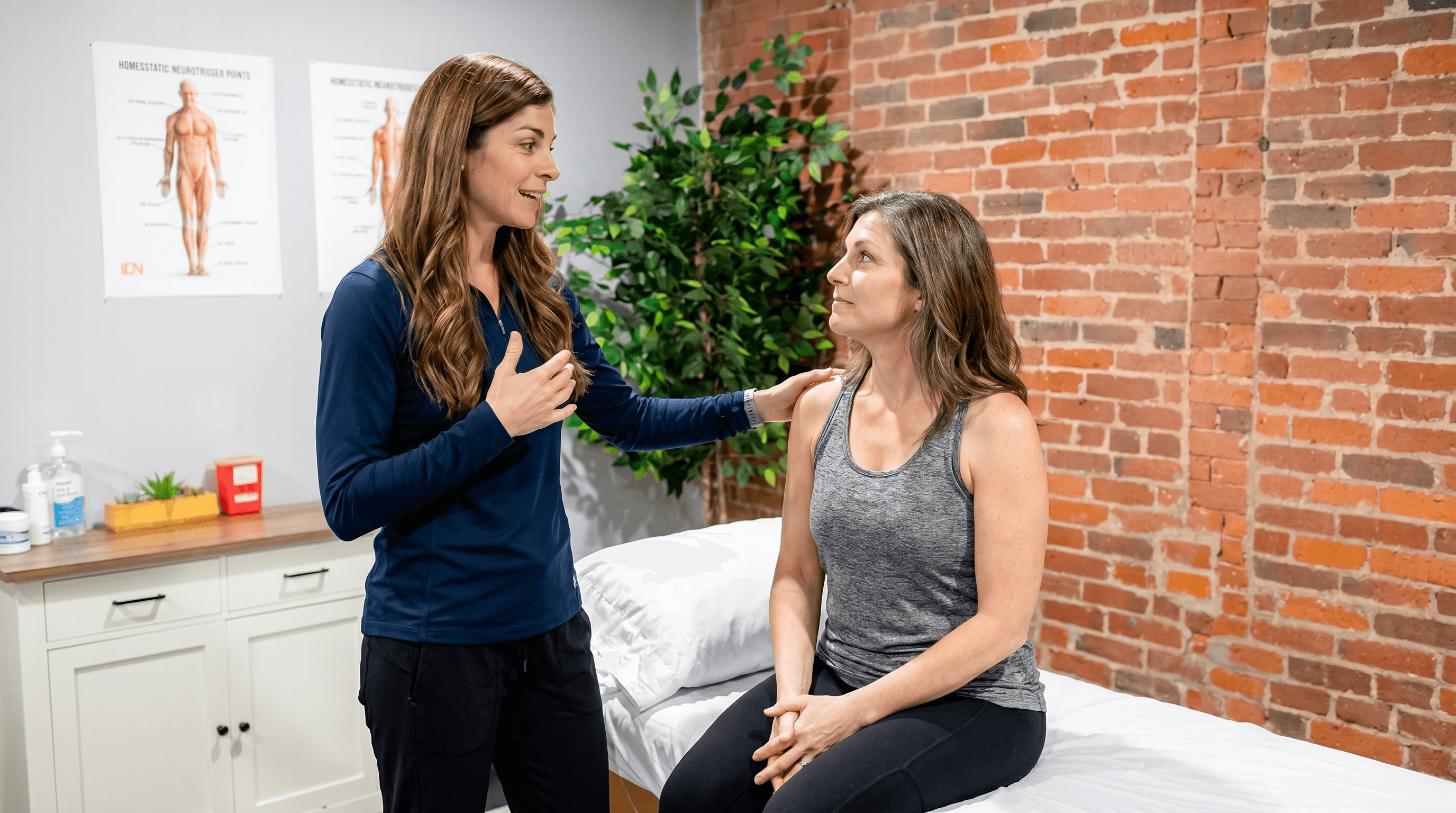
Dr. Molly Sifflard, DPT, runs every session herself and screens every member before the first Friday. Diastasis, pelvic floor, C-section, and SI joint issues are all accounted for in the programming.
Core restoration first
We start with deep core reconnection — the muscles that stabilize everything else. No crunches, no planks until your body is ready.
Pelvic floor–aware
Every exercise has a pelvic floor modification. You learn what to feel for, and when to push versus when to back off.
Progressive strength
Once the foundation is solid, we build real strength. Deadlifts, squats, and pressing — scaled to exactly where you are today.
Bring your kid
The Fort is mom-friendly. Bring your stroller, bring the baby, bring the toddler. We have space, nobody stares, and nothing holds you back from showing up.
A small group of moms who get it
You train with just five other women in a similar stage — the same faces every Friday for four weeks. No performative fitness culture, just women rebuilding together with a doctor who knows what she is doing. When the round wraps, you get first chance to continue into the next one.
Getting started
Getting started is simple: answer a few questions so Molly knows where your body is starting from, and she holds your spot in the next cohort. Want to talk one-on-one first? A free 20-minute consult with Molly is optional — just ask.
How many weeks or months postpartum are you?
Was your delivery vaginal, C-section, or both — and were there any complications?
Have you been cleared by your OB or midwife to start exercising?
Are you currently breastfeeding?
When you sit up or strain, do you notice any doming, coning, or a gap down the middle of your belly?
Do you ever leak when you cough, sneeze, laugh, run, or jump?
Any heaviness, pressure, or a “falling-out” feeling in your pelvic floor?
Any back, hip, tailbone, or SI-joint pain since delivery?
What did training or movement look like for you before and during pregnancy?
What is the one thing you most want to be able to do again?
From your answers, Molly confirms what is safe to start on day one, what to ease into over the four weeks, and reserves your seat. Not sure you are ready? The optional consult is a no-pressure way to talk it through with her first.
Your team

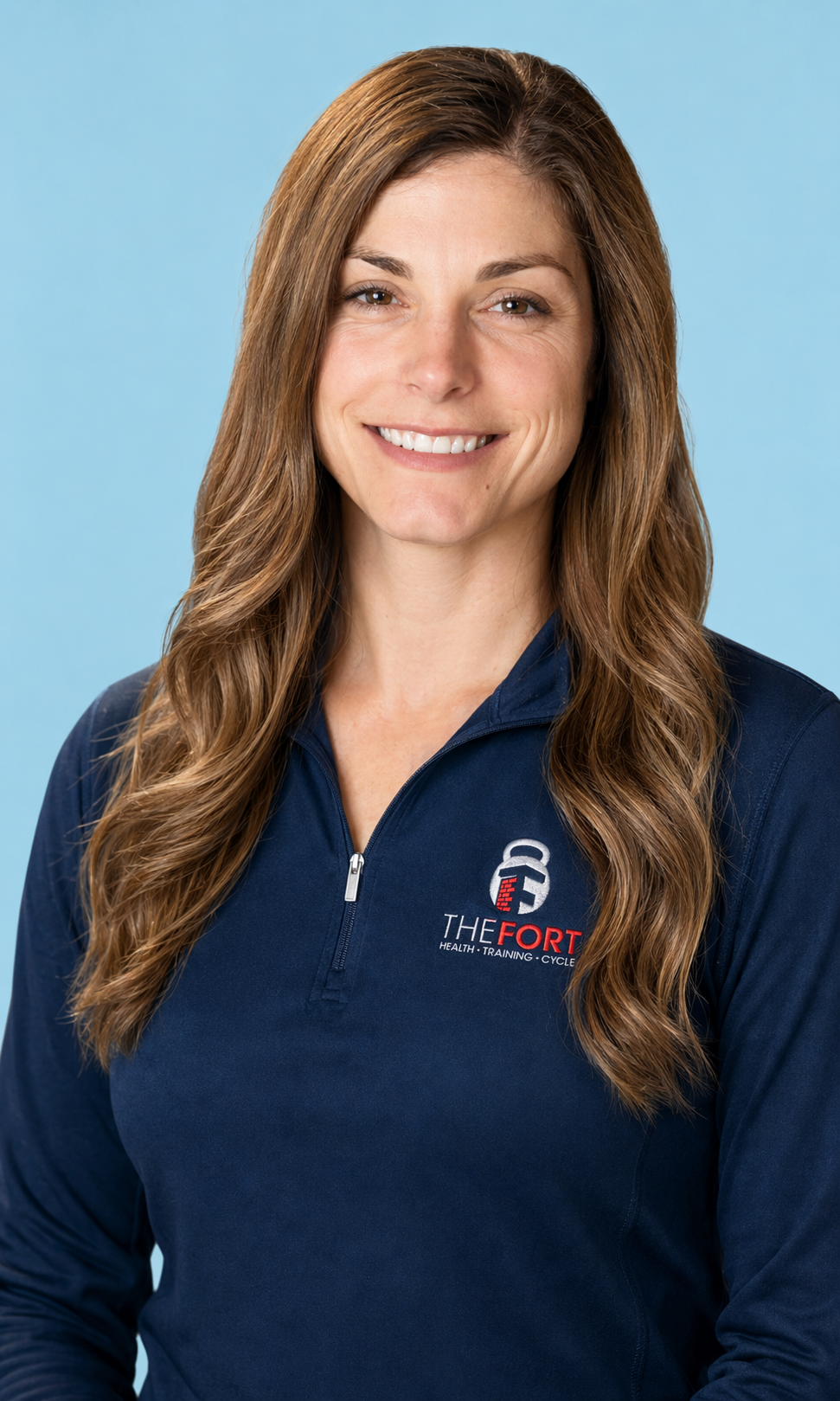
Dr. Molly Sifflard
Performance Therapy, DPT
Doctor of Physical Therapy and co-owner of The Fort. Molly screens every member and personally leads each Mom Core and Control session.